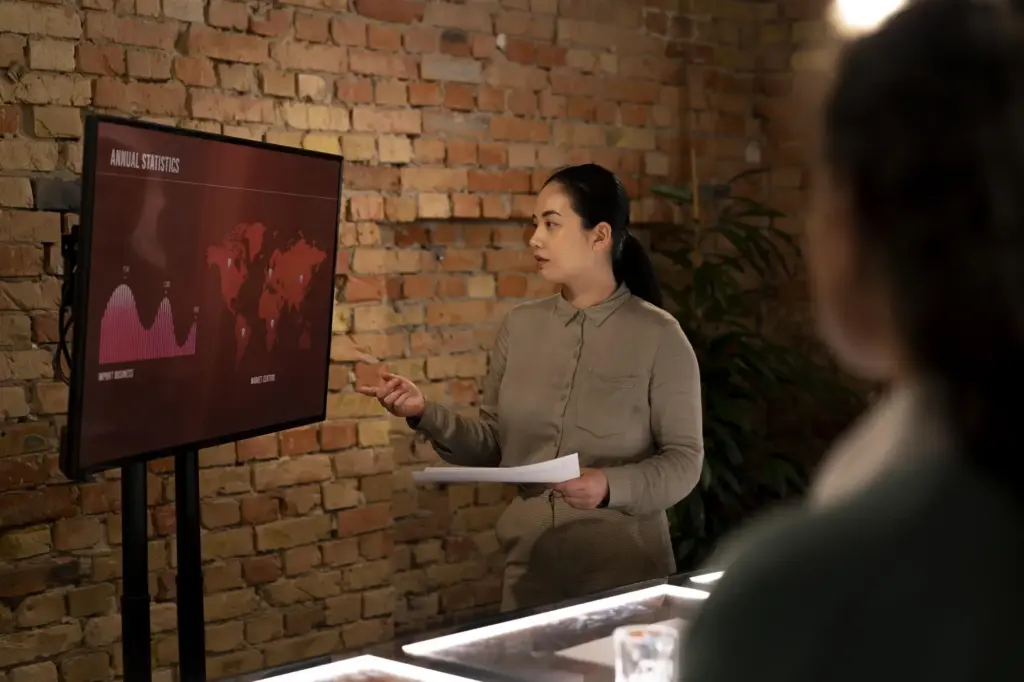
Lead With Foresight When Every Outcome Counts

Today we dive into Scenario-Based Leadership Playbooks, practical guides that help leaders rehearse pivotal decisions before reality tests them. Through vivid situations, trigger points, and response options, you will learn to navigate volatility, align teams quickly, and convert uncertainty into confident action. We blend the OODA loop, pre-mortems, and storytelling with measurable outcomes, so preparation feels energizing, collaborative, and grounded in results you can celebrate when pressure rises and seconds truly matter. Subscribe for upcoming tools, printable checklists, and fresh scenarios you can run this month with your team.

Designing scenes that feel real

Use natural language, concrete names, and sensory context to make situations recognizable without exposing confidential details. Add constraints, ticking clocks, and realistic cross-functional tensions. When participants recognize their world, they experiment more bravely and remember what worked long after the simulation concludes.

Anchoring choices to triggers

Define observable triggers that force choices, like a customer churn spike, a regulatory alert, or a production rollback. Tie each trigger to clear thresholds and options, so discussions move from vague worries to purposeful rehearsals that build judgment and shared muscle memory.

Making practice emotionally sticky

People retain lessons linked to emotion, so let characters, stakes, and potential losses be felt, not sanitized. Celebrate small wins during practice, surface near-miss moments openly, and connect reflections to personal values, building bonds that make future pivots faster, kinder, and more confident.

Blueprints for Ambiguity

Ambiguity is not an enemy to defeat but a landscape to map. Good playbooks outline multiple plausible futures, variables that swing outcomes, and early signs that one path is unfolding. You will build options, not predictions, so recalibration becomes routine rather than an apology.

The Shell method, simplified

Borrow the spirit of the classic Shell approach without heavy bureaucracy. Draft two to three contrasting futures defined by critical uncertainties, then stress-test your strategy against each. The goal is not certainty, but robustness and graceful failure when assumptions age faster than meetings admit.

Signals, signposts, and thresholds

Translate uncertainties into tractable signposts: numeric thresholds, customer behaviors, supply constraints, or policy drafts moving through committees. Define green, yellow, and red bands with agreed responses. When reality nudges a dial, teams already know who convenes, what is paused, and what accelerates immediately.

Assumptions you can actually revisit

Create a living assumptions log with owner names, review cadence, and attached experiments. When someone learns something new, the log changes, not a slide nobody reopens. This simple ritual preserves humility, speeds learning, and keeps strategy tied to evidence, not stubborn optimism.

From Signal to Action: Team Choreography

Roles that reduce friction

Sketch roles that reduce duplication and gaps: incident lead, operations coordinator, customer voice, legal liaison, and communications captain. Include backups for absences, and escalation paths that are simple enough to remember when pagers chirp at 2 a.m. Clarity reduces noise and preserves energy.

Decision rights under pressure

Decision rights collapse confusion. Document what the incident lead can authorize instantly, what requires a two-person check, and what must pause pending executive input. Publish this before stress arrives, test it in drills, and update it after every debrief to reflect lived reality.

Briefings and debriefings that teach

Briefs should be crisp, time-boxed, and oriented around facts, options, and risks. Debriefs should be blameless, specific, and fast to publish. The faster a team converts experience into shared knowledge, the more resilient their future responses become, even when surprises stack uncomfortably.

Training Without The Eye-Roll

Adults learn by doing, reflecting, and trying again. Replace marathon workshops with spaced, social micro-practice that fits calendars. Mix tabletop exercises, role-play, and lightweight simulations that mirror real stakes. Repetition builds confidence while psychological safety keeps curiosity alive and mistakes inexpensive during rehearsal.

Micro-drills that fit calendars

Fifteen-minute drills at stand-up can rehearse escalation paths, customer conversations, or handoff scripts. Rotate facilitators, capture one tangible improvement, and schedule the next drill immediately. Momentum matters more than polish, and short cycles reduce the friction that usually cancels ambitious training programs.

Red teaming with care

Invite a small red team to challenge assumptions and introduce plausible curveballs without performative gotchas. Frame critique as a service to the mission, not a contest. When skepticism is guided and respectful, teams grow wiser together and carry less fear into real incidents.

Learning velocity over vanity

Track cycle time from signal to decision, time-to-rollback, and number of viable options considered per incident. These reveal thinking quality better than slide counts or attendance. Share trends in retrospectives, asking what design changes, not which individuals, produced the next step in maturity.

Readiness scores people trust

Co-create readiness scores with the people who live them. Blend drill participation, cross-training coverage, documentation freshness, and on-call load. If those being measured help define the rubric, they will use it honestly, suggest improvements faster, and invest attention where gaps genuinely matter.

When to retire a play

Not every procedure deserves immortality. Establish criteria to retire or rewrite plays that consistently gather dust, confuse handoffs, or underperform in drills. Celebrating intelligent deletion keeps the library sharp, trims cognitive load, and signals respect for everyone’s limited time and focus.

Field Notes: Moments That Changed Trajectories

Real stories bring methods alive. These snapshots come from teams who practiced deliberately and then faced difficult days. Notice the modest tools, disciplined rituals, and human grace they relied on. Share your own experiences in the comments, so our collective library grows stronger.
Floilpegyetepsukg
Privacy Overview

This website uses cookies so that we can provide you with the best user experience possible. Cookie information is stored in your browser and performs functions such as recognising you when you return to our website and helping our team to understand which sections of the website you find most interesting and useful.